

Prof. Dario Floreano
Title:
Design, control, and applications of bioinspired drones
Abstract:
Drones have taken the world by storm. In the past 15 years, small autonomous flyers have had a major impact in inspection, security, rescue, logistics, and entertainment. However, today's commercial drones cannot yet compete with flying animals in terms of mechanical resilience, adaptability, and cooperation. For example, multi-copters are very agile, but spend most of their energy to fight gravity; in contrast, winged drones offer almost twice as much endurance than multi-copters for the same mass but require more space and time to change direction. I will describe recent research addressing these challenges that takes inspiration from insects and birds, describe how such drones can be used to explain poorly understood biological mechanisms, and show examples of translation into commercial products. Finally, I will point out open challenges in design, modeling, and control of future drone systems.Biography:
Dario Floreano is director of the Laboratory of Intelligent Systems at Ecole Polytechnique Fédérale de Lausanne (EPFL) in Switzerland. He has been the founding director of the Swiss National Center of Competence in Robotics from 2010 to 2022. Prof. Floreano made pioneering contributions to the fields of evolutionary robotics, aerial robotics, and soft robotics. He held visiting positions at Sony Computer Science Laboratory, at Caltech/JPL, at Harvard University, and Osaka University. He co-authored more than 500 publications and 5 books by MIT Press and Springer Verlag, spun off 3 drone companies, and is in the editorial board of several journals, including Science Robotics. He is a Fellow of the IEEE Robotics and Automation Society and of the European Lab for Learning and Intelligent Systems (ELLIS).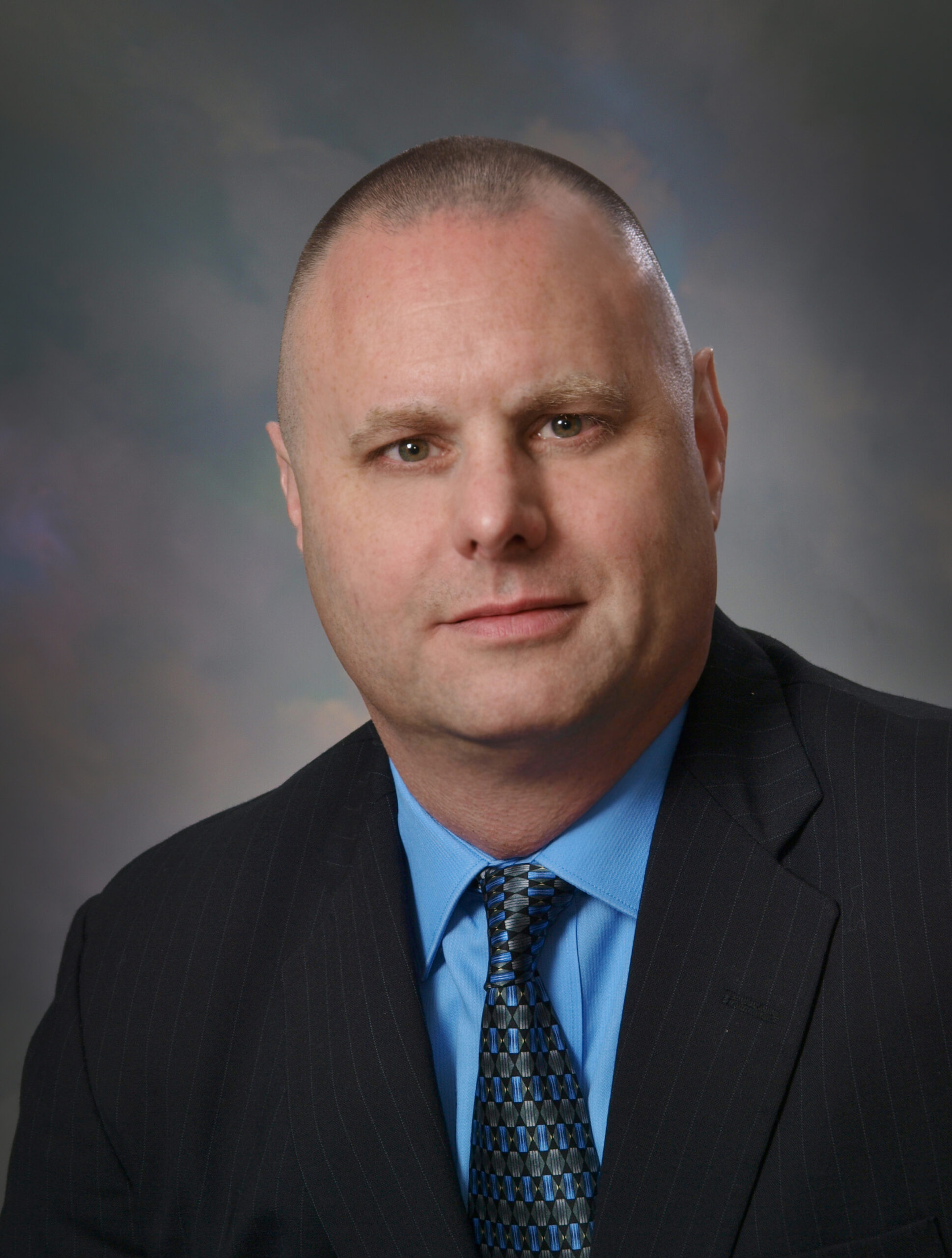
Dr. Hans C. Mumm
Title
The Changing Cybersecurity Requirements in the New Autonomous World: When Can We Expect Level 5 Autonomy?
Abstract:
This keynote will examine the evolving cybersecurity requirements in the emerging world of autonomous systems and cybersecurity integration, as well as the impact of AI/autonomous applications on warfare, healthcare, transportation, security, and education. There are currently eight recognized layers of unmanned autonomous systems that will soon communicate and integrate to form a new architecture. These autonomous architectures and required cybersecurity protocols are outpacing the ability to draft and approve policies, laws, and governance necessary for autonomous technologies. The discussion will also include early predictions on the positive and negative impacts on our global society. Cybersecurity is the critical element for success in the next industrial revolution.Biography:
Dr. Mumm has spent thirty-one years in government and contractor service, building teams to address complex problems in national security, homeland security, and advanced technologies. He was the Division Chief for Cybersecurity at the Office of the Director of National Intelligence (ODNI), programming and executing a budget of over $ 140 million. He developed a unique set of continuous monitoring capabilities and the rogue wireless detection capability that supported the ICD-503 Risk Management Framework. Dr. Mumm is a proven leader in diverse fields, including autonomous systems, post-quantum cybersecurity, AI and machine learning, advanced fuel systems, cognitive scientific research, and all aspects of the military intelligence community. He has thirteen published books, dozens of white papers, and numerous research studies to his credit in both the scientific and social science arenas. He has notable experience in research and systems engineering, including winning awards and contracts for UAV (autonomous systems) research and creating an advanced, multiple-fuel system (AI-based), where he operated the world’s first and only helicopter that flies on five separate fuels without engine modifications. His research extends into emerging and disruptive technologies for both offensive and defensive missions, supporting US and coalition operations. His UAV and robotics expertise has focused on determining the specific uses, exceptions, and allowances for robotics operations, including studying the unintended consequences, future use, and misuse of such technologies.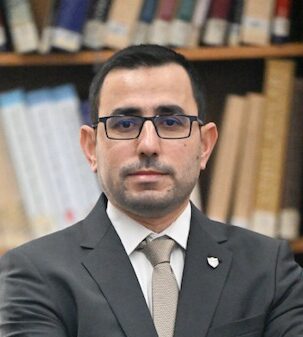
Prof. Muhammet Deveci
Title
The Future of Defense: Advances and Trends in Military Drone Technology
Abstract:
Military drone technology is rapidly transforming modern defense systems and reshaping the nature of warfare. Advances in Unmanned Aerial Vehicles (UAVs) have significantly expanded their roles beyond traditional intelligence, surveillance, and reconnaissance missions to include precision strike, electronic warfare, logistics support, and cooperative swarm operations. Recent developments in artificial intelligence and machine learning enable drones to operate with higher levels of autonomy, improving decision-making speed, adaptability, and mission effectiveness in complex environments. This talk will discuss the key technological shifts and operational requirements shaping the development of future military UAVs.Biography:
Muhammet Deveci is a Full Professor at the Department of Industrial Engineering in the Turkish Naval Academy, National Defence University, Istanbul, Turkey, and he is Honorary Senior Research Fellow with the Bartlett School of Sustainable Construction, University College London, UK. Dr. He worked as a Visiting Researcher and Postdoctoral Researcher, in 2014-2015 and 2018–2019, respectively, with the School of Computer Science, University of Nottingham, Nottingham, U.K. Dr Deveci is an outstanding researcher and a prolific author who has been publishing high quality peer-reviewed papers in highly ISI ranked journals and reputable international conferences. Dr. Deveci has published over 399 papers in journals indexed by SCI/SCI-E papers at reputable venues, as well as more than 30 contributions in International Conferences related to his areas. Dr. Deveci received the 100th-anniversary award for his worldwide scientific achievements from the Scientific and Technological Research Council of Turkey (TUBITAK). Dr Deveci has also been engaged with the wider community providing academic service through chairing/organising conferences, streams, tutorials, reviewing papers, and acting as Editorial Board Member of well-known journals including IEEE TFS, IEEE T-IV, IEEE TETCI, Engineering Applications of Artificial Intelligence, and more. Dr Deveci is an internationally recognized outstanding scientist in intelligent decision support systems underpinned by computational intelligence, particularly uncertainty handling, fuzzy systems, combinatorial optimization, and multicriteria decision making.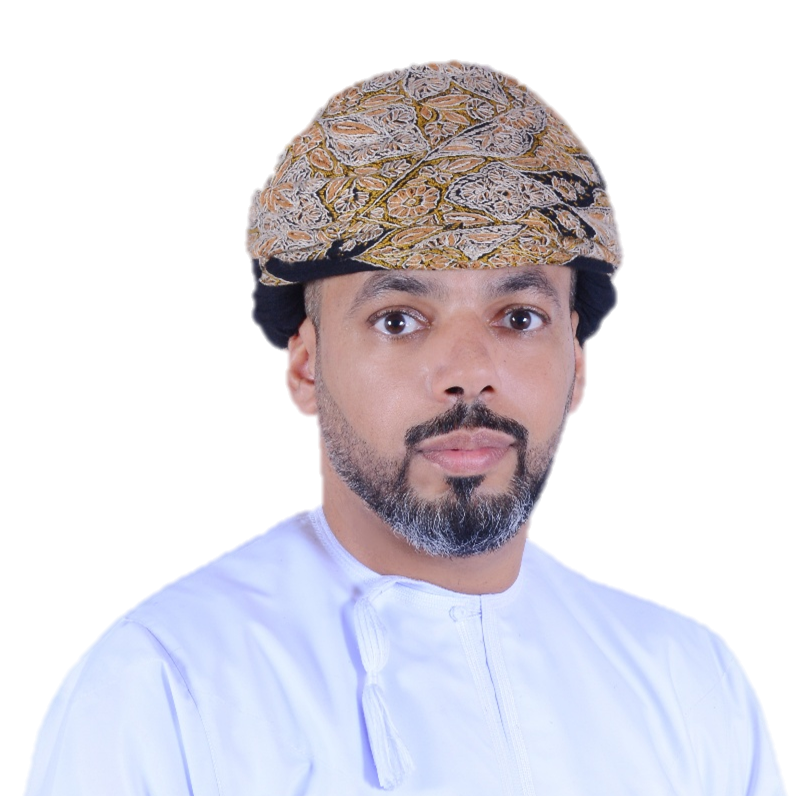
Majid Al-Hinai
Title
From Import to Innovation: Localizing UAV Development in Oman
Abstract:
This talk outlines a decisive approach to localizing UAV manufacturing in Oman, shifting from reliance on imported systems to controlled, domestic production. It focuses on strengthening supply chains, securing technological sovereignty, and building national capabilities through phased localization. Beginning with assembly and customization and advancing toward full airframe and systems manufacturing supported by strategic international partnerships. The address highlights the infrastructure, talent, and policy enablers required to scale a sustainable drone industry, while emphasizing economic impact through skilled job creation, export potential, and industrial diversification. The vision positions Oman as a competitive regional center for UAV manufacturing and advanced autonomous systems aligned with long-term national development objectives.Biography:
Majid Al-Hinai is the Chief Executive Officer of Sinan Advanced Industries and its subsidiaries, leading the government-owned technology company in alignment with Oman’s Vision 2040. With 19 years of experience in local and international roles across the oil and gas and manufacturing sectors, including key positions in Oman, the USA, and China, Al-Hinai brings extensive expertise to his leadership. He is dedicated to advancing technological expertise, innovative product design, and specialized training programs that enhance in-country value by creating job opportunities and integrating cutting-edge manufacturing technologies. Under his leadership, Sinan Advanced Industries has grown into a prominent technology company by implementing automation and fostering local talent development, significantly contributing to Oman’s industrial growth. Al-Hinai holds a Bachelor of Science in Mechatronics Engineering from Sultan Qaboos University and an MBA from The Open University. He also serves as an advisory board member for the Mechatronics program at Sultan Qaboos University.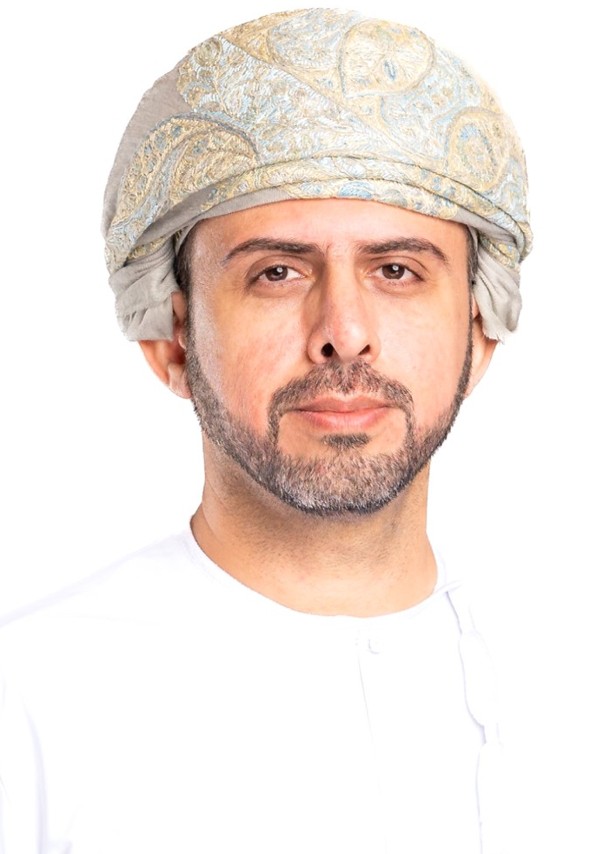
Dr. Ahmed Al Maashri